Artificial Intelligence (AI) has undeniably transformed recruitment. From automating routine tasks to enhancing data-driven decisions, AI has unlocked efficiency, precision, and scalability. Yet, as our industry embraces this tech revolution, many recruiters and hiring managers harbour valid concerns. A recent poll shed light on these apprehensions, and the results were telling:
50% of respondents fear losing the “human touch.”
29% are concerned about over-reliance on technology.
7% worry about ethical implications, such as bias.
14% welcome AI with no reservations.
These insights offer a nuanced glimpse into how our industry views AI’s role in recruitment. Let’s dive deeper into each perspective.
The Fear of Losing the “Human Touch”
With half of the respondents selecting this as their primary concern, it’s clear that maintaining meaningful human interaction remains a priority. Recruitment is, at its core, a people-centered profession. Building relationships, understanding motivations, and recognizing intangible qualities like cultural fit require empathy and intuition—traits no algorithm can replicate.
While AI can screen resumes or predict candidate success, it cannot replace the genuine connection that comes from a recruiter’s experience and personal touch. To strike a balance, recruiters must view AI as a complement to, not a replacement for, their expertise.
Over-Reliance on Technology
Nearly a third of respondents worry about becoming too dependent on AI. This concern highlights a valid risk: what happens if systems fail, or if we lose critical recruitment skills by leaning too heavily on automation?
AI should be seen as a tool to enhance productivity and reduce administrative burdens, freeing up recruiters to focus on high-value tasks like interviewing, negotiating, and fostering relationships. Striking this balance requires ongoing training and a mindset that treats technology as an assistant, not a crutch.
Ethical Implications: Bias and Beyond
Though only 7% flagged this as their top concern, it remains a critical issue. AI systems are only as good as the data they’re trained on. If historical hiring data reflects bias, the AI could perpetuate it, unintentionally disadvantaging candidates based on race, gender, or other factors.
Organizations must ensure their AI tools are transparent, regularly audited for fairness, and aligned with ethical hiring practices. It’s not just about adopting technology but doing so responsibly.
The Optimists: “Bring It On!”
The 14% who expressed no concerns about AI likely see its transformative potential and trust their ability to adapt. For these forward-thinkers, AI is an opportunity to innovate, work smarter, and gain a competitive edge.
This perspective underscores an important reality: AI adoption is inevitable. The key is how we integrate it into our workflows while mitigating risks and maintaining our humanity.
The Path Forward: Augmented Recruitment
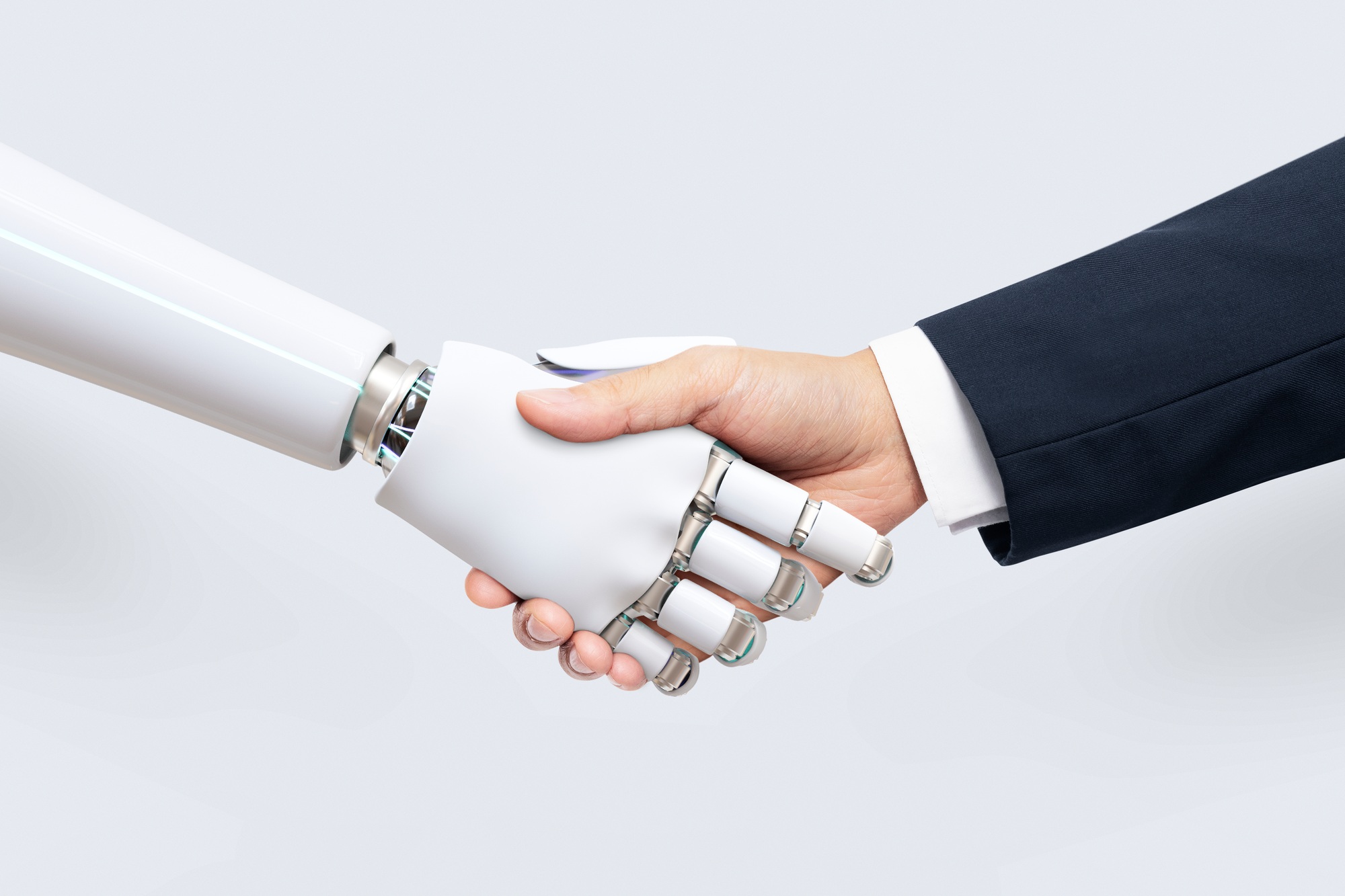
The future of recruitment lies in augmented intelligence—a partnership between humans and machines. AI can handle repetitive tasks, provide data-driven insights, and enhance decision-making, but the human touch remains irreplaceable.
To navigate this evolving landscape, here are three actionable steps:
Prioritize Training: Equip recruiters with the skills to leverage AI while maintaining their interpersonal expertise.
Audit Your Tools: Regularly evaluate AI systems for bias and effectiveness to ensure ethical and accurate hiring practices.
Focus on Relationships: Use the time saved by AI to deepen connections with clients and candidates, creating a competitive edge through personal service.
As we move forward, the challenge will be finding harmony between innovation and empathy. By addressing concerns and embracing opportunities, we can shape a recruitment industry that’s both technologically advanced and deeply human.